Un-training the Tame: Land, wildness, and the reclamation of girls' inner lives
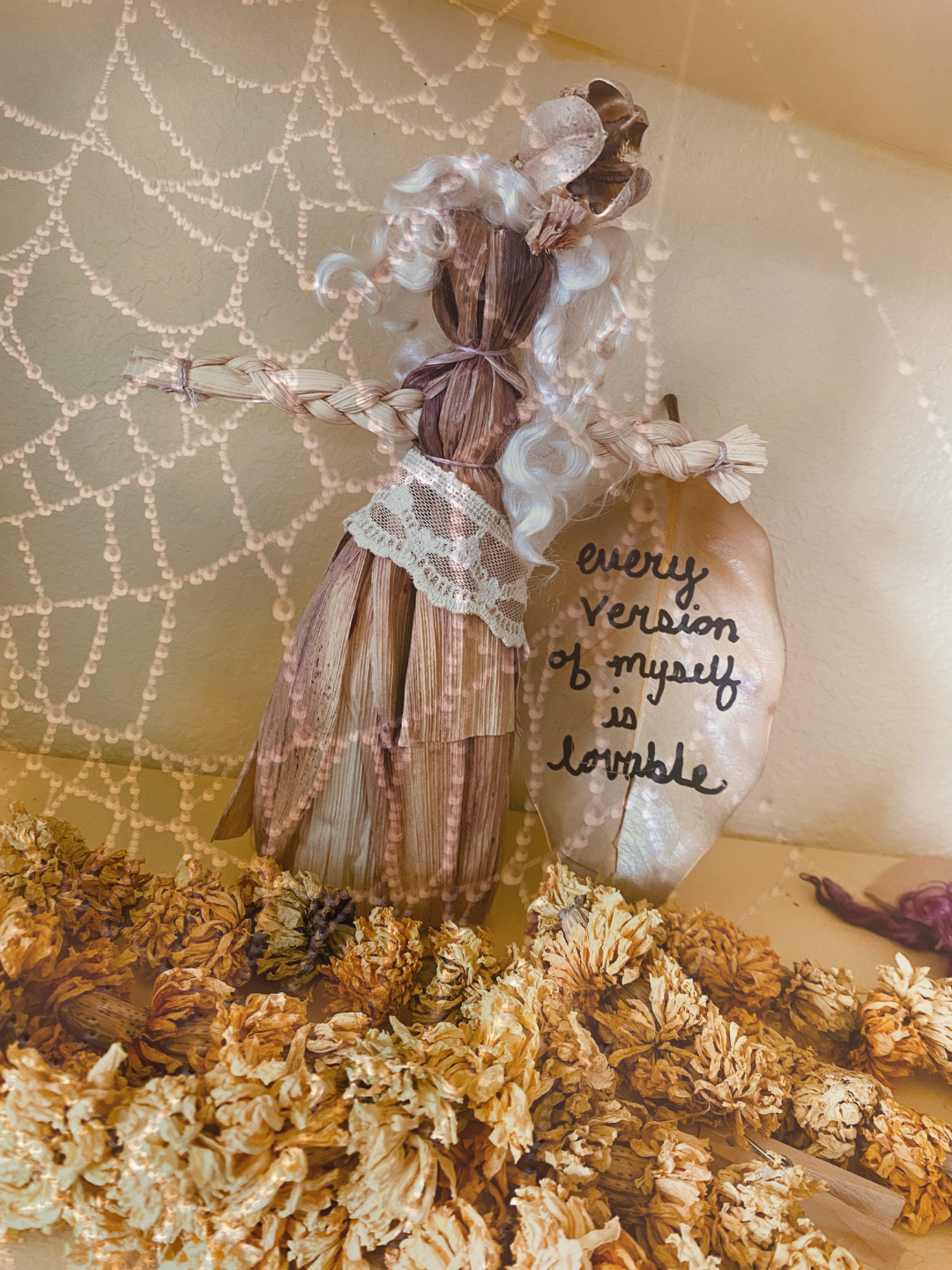
As a child, I had recurring dreams with a theme of being enclosed, captured, and without a voice — unheard. One in particular involved a doorway from the back porch to the garage. It was sunlit in the morning, but in the late afternoon, a shadow would cast on the doorway concealing a large sticky spider web. In the dream, I would run toward the doorway and become ensnared in the sticky web. Just as I'd open my mouth to scream, I'd hear the door to the house shut behind me. A scream would build up in me, but it couldn't be expressed and it couldn't be heard. At the moment when I realized it was just me and the spider web and we'd have to work it out alone, I'd wake up.
The feeling of belonging to the spiders — and not to the world of human approval — would cling to me the whole day. I would throw myself outside to be with my kin: the tender dewy grass, scrub oak and fir, Townsend moles, and Jerusalem crickets. When I felt into the form of insects, plants, and animals, I felt something familiar. I felt like myself.
I've thought about that dream a lot as an adult. And I've come to believe that what it was rehearsing — what my sleeping mind was trying to work out — was not just a childhood fear. It was a premonition of something much larger. The web in that doorway was not just a spider's web. It was the web of enclosure that waits for every girl somewhere between ten and fifteen: the moment when the sunlit doorway of childhood dims, and the sticky, invisible architecture of expectation catches you mid-stride.
Most of us don't scream when it happens. That's sort of the point.
Before the doorway dimmed
The meaning we make of the world comes through our senses. For each of us, our array of primary sense-making is a little different. We may gather information from the world through our auditory sense, but it may not store in the files of long-term memory that way. Our senses may be trained to retreat or be dimmed according to our environment — and across generations, insensitivity can become the norm where domination prevails.
In the example of my recurring dream, I was storing memory kinesthetically and visually. I was regenerated by the sounds and smells of dew, oak, fir, mole holes, and Jerusalem crickets. In a literal sense, my nervous system was in a state of arousal through my visual and kinesthetic senses. In a state of overwhelm, my young self would wisely seek wholeness in the natural world by balancing with auditory and olfactory senses.
The grass, oak, fir, moles, and crickets were simply my guides back to the wisdom I already belonged to — that of the world soul.
As a young person, yet untrained to ignore the call to wilding, I found stasis, integration, interconnection by just following my innate sense to step outside and smell the air. As I grew into a teen, this was trained out of me. I was lucky enough to encounter mentors who could guide me back to my wild and wise state after I became a mother myself.
Our soul can be trusted to navigate to wholeness. Integration is our natural state.
I share this because I believe that what I found in those mole holes and cricket songs — that sense of legibility, of being recognized by the living world without having to perform a single thing — is not just personal history. It is an alternative intelligence. Nature is a sacred library, and it has been holding the wisdom of belonging long before any social system got around to turning belonging into a currency girls have to earn.
What the moles understood
Child development researchers have been clear about this window of life for decades. According to Erik Erikson's foundational framework of psychosocial development — still one of the most widely used lenses in developmental psychology — adolescence (roughly ages 12–18) is the critical period for identity formation. This is the stage Erikson called "identity versus role confusion": the time when a young person is neurologically and psychologically primed to ask,
Who am I? What do I value? What is my role in the world? (Erikson, 1968; NCBI/StatPearls, 2024)
The research is unambiguous: youth who establish a stable and positive sense of self during this window tend to experience greater well-being, while those who struggle with identity formation face increased risk for mental health challenges later in life. And that process of identity formation requires safety. It requires an environment where a young person can explore, experiment, make mistakes, and test out different ways of being without the threat of severe social consequence. Erikson called this protected window a "psychosocial moratorium" — a culturally sanctioned period for teens to try on different identities without full-blown adult pressure or permanent consequences.
Mary Pipher, clinical psychologist and author of Reviving Ophelia (1994, updated 2019), spent years working with adolescent girls and documenting what she called a "developmental Bermuda Triangle." She found that in early adolescence, girls who had previously been confident and curious began to lose their resiliency, became less willing to take risks, grew unhappy with their bodies, and shifted from asking "Who am I?" to asking "What do I need to do to please others?" The broader culture, she argued, was "girl-poisoning" — not because of individual bad actors, but because of the cumulative weight of a thousand messages all pointing the same direction: your worth is legible, measurable, and contingent on how well you perform.
Pipher observed that girls' voices became muted as they moved into adolescence — that they lost independence and learned to derive power primarily through compliance, and that the main driver was cultural messaging that evaluated girls almost entirely on their appearance and agreeableness. The 25th anniversary edition of Reviving Ophelia (2019) found that while girls today face the same core struggles with identity, sexism, and self-esteem, they now have a greater chance of becoming depressed, anxious, or suicidal than the girls Pipher first wrote about.
The performance that colonized girlhood
In women's studies, this territory has a long and well-documented lineage. Philosopher Judith Butler, in her landmark 1990 work Gender Trouble, argued that gender is not something we are — it's something we do. She described gender as a "stylized repetition of acts" that, when performed consistently enough over time, produces the illusion of a natural, stable identity. The performance becomes so habitual it stops looking like performance. It starts looking like essence.
Philosopher Sandra Bartky extended this in her 1988 essay "Foucault, Femininity, and the Modernization of Patriarchal Power," arguing that femininity is not a free expression of self but something women are required to participate in — a set of disciplines applied to the body, the face, the voice, the emotional register — and that women who don't comply don't just lose social rewards, they get reclassified. She concluded that the project of femininity is something of a setup: its standards are so exacting and unattainable that virtually every woman who gives herself to it is destined to fall short in some degree.
A voice I came across recently on Instagram put it differently — more viscerally, more immediately. Justin Scott (@this.cypher) described it in layers: the performance of legibility, the management of interpretation, the unpaid atmospheric labor of keeping every room comfortable, the reward distortion that makes the whole thing feel natural after enough years. And finally, what he called the existential stakes of stopping — the risk of social derecognition, the risk of becoming "too much" or "unclear" or "not really feminine." The research backs every layer of what he named.
"A lot of women were not taught how to express femininity. They were taught how to maintain access to it socially. That is a different kind of horror."
What this cultural moment is teaching our daughters
I want to pause here, because any honest conversation about girls and identity development in 2026 has to name what is happening in the broader cultural landscape. Not to be alarmist. But because ignoring it would be its own kind of harm.
We live in a moment where the highest elected office in this country is held by a man with decades of documented sexual misconduct, including a civil finding of sexual abuse. Where the Epstein files — implicating a wide network of powerful men in the coordinated sexual exploitation of girls — remain largely unactioned in terms of accountability. Where the political rollback of bodily autonomy has been swift and unapologetically directed at female bodies.
The message being broadcast, at a cultural level, to girls between ten and fifteen right now — the ones in that critical developmental window — is this:
The law will not protect you. Power will protect itself. Your body is a site of contest, not sovereignty.
This matters developmentally in ways that are not abstract. Research published in Nature Reviews Psychology (Sequeira et al., 2025) found that social threat — defined as real or perceived threat to one's social status, identity, connections, and interpersonal security — is directly linked to increased risk for anxiety and depression during adolescence, and that the adolescent brain is particularly sensitive to this kind of environmental input. When the threat isn't interpersonal but systemic — not a specific peer rejection, but a broadcast cultural message that your category of person is unprotected — the developmental impact is not smaller. It is larger, because there is no individual behavior that can resolve it.
We are asking girls to do the impossible work of identity formation — the most vulnerable, generative developmental task of their lives — in a climate that is actively telling them they are not safe as who they are. And then we wonder why the performance feels so mandatory.
But here is what I keep returning to: the moles didn't ask me to perform. The Jerusalem crickets didn't grade me on legibility. The scrub oak and fir held me exactly as I was. And that belonging — ancient, wordless, unconditional — is still available. It never left. We just have to build the conditions for girls to find their way back to it.
Returning to the rootstock
I've been sitting with all of this for a long time — in therapy rooms, in gardens, in circles of young women learning to grow things. And I don't think the answer is only analysis or outrage, though both have their place. I think the answer is also practice. Spaces. Experiences built specifically to interrupt the training and offer something else — something older, rooted in agency and intuition, anchored in the kind of enduring wisdom that doesn't require your silence to function.
That's what I'm building at Sunny Joy Farm.
The Resilient Youth Internship Program (RYIP)
The RYIP is a working farm apprenticeship for young people that centers skill-building, real responsibility, and land-based learning. Girls who come through this program don't get coached on how to present themselves — they get their hands in the soil, they learn how plants grow and how ecosystems repair themselves, they practice showing up for something larger than social approval. Resilience here isn't a mindset we teach. It's something that grows in the body through the actual practice of tending and being tended.
Rooted and Rising: The Sacred and Creepy Doll Right of Passage
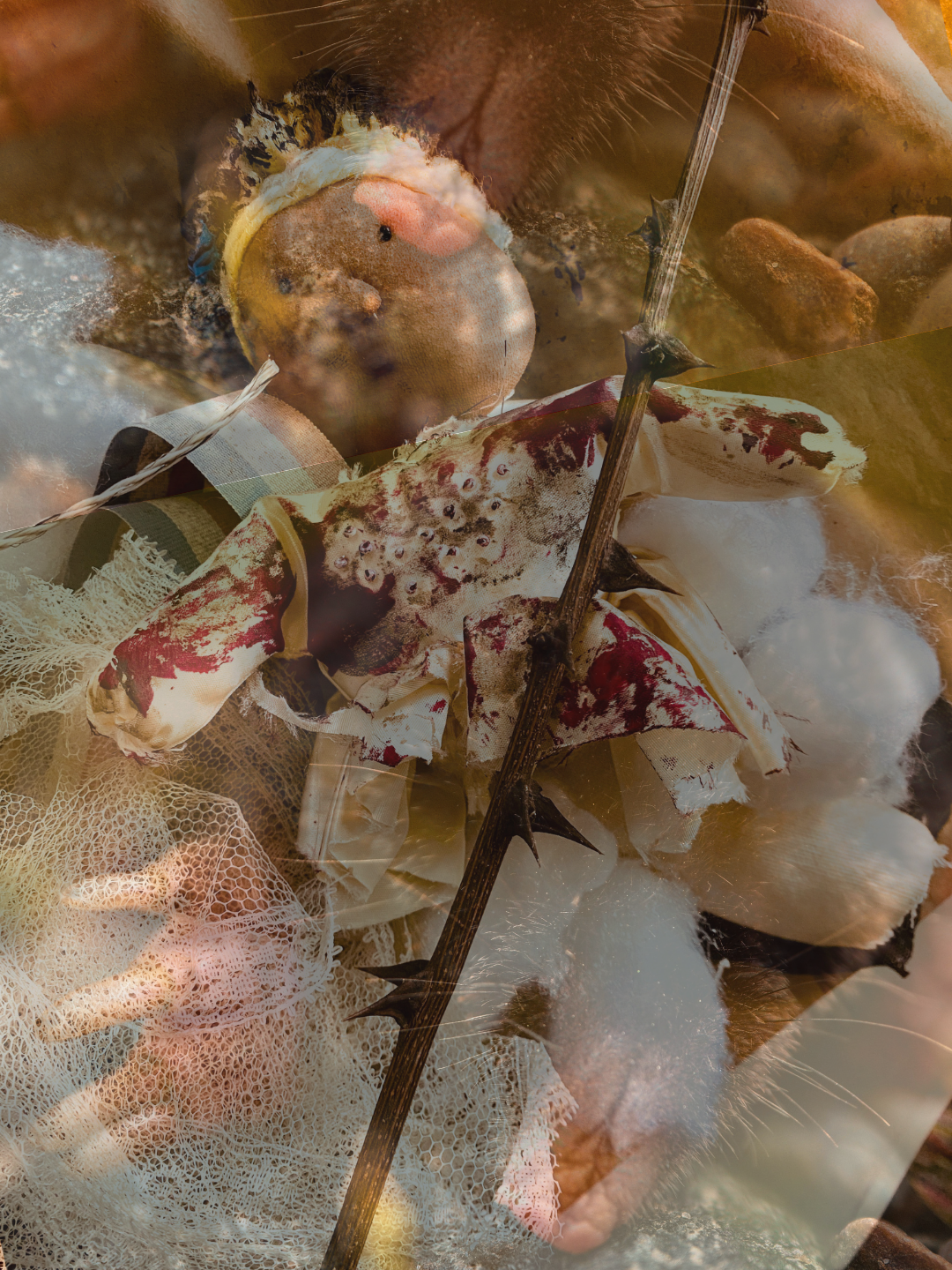
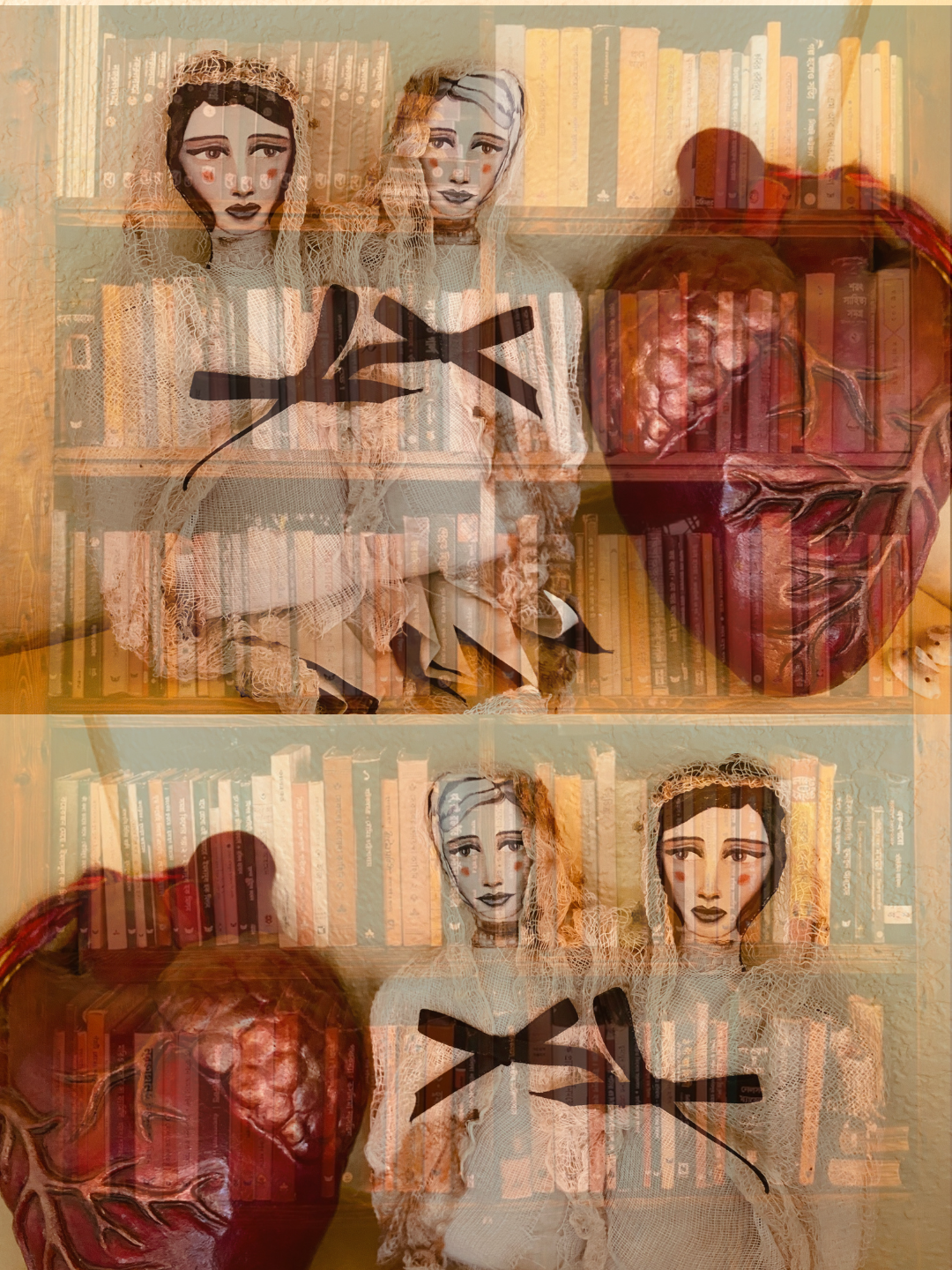
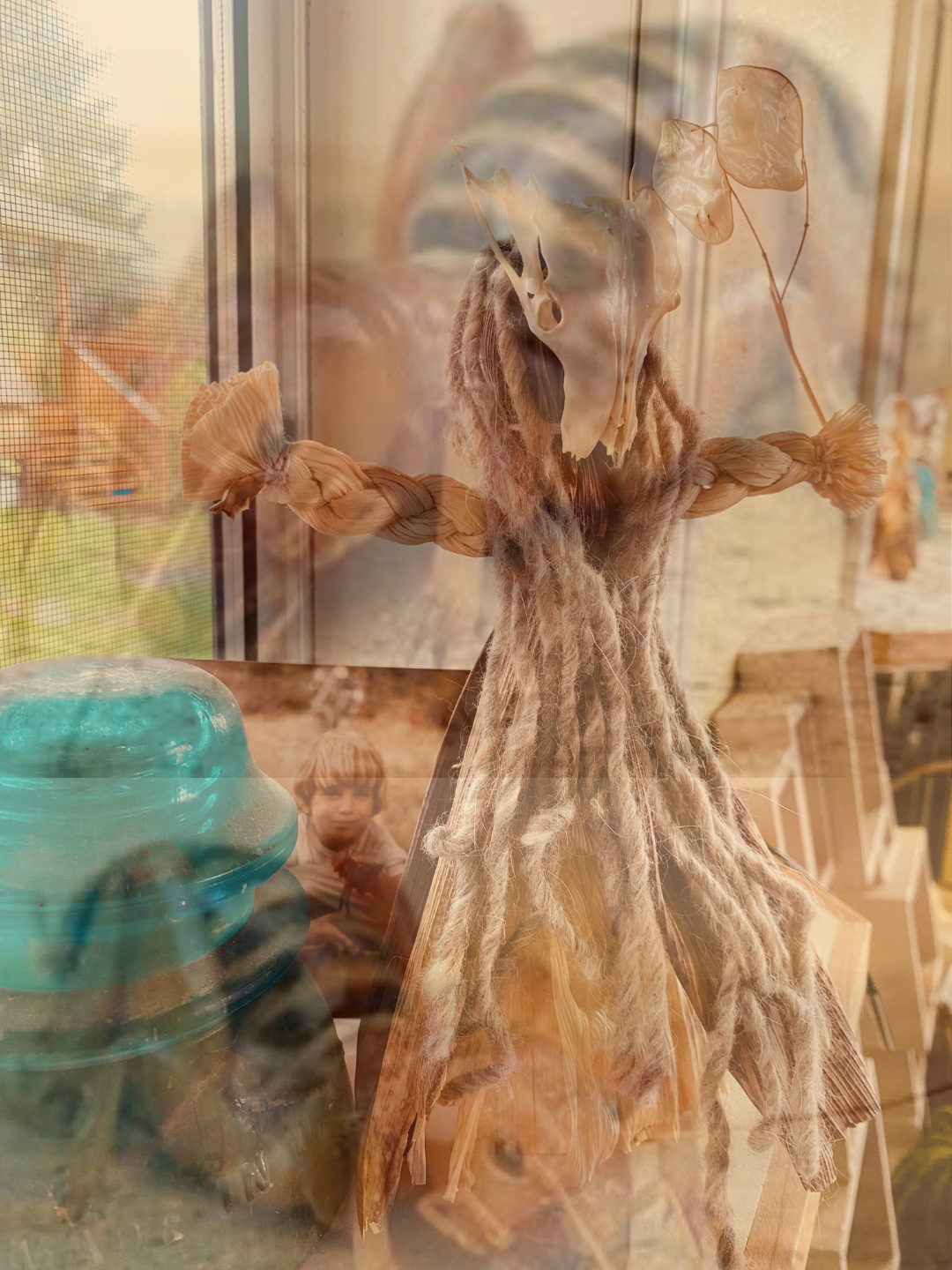
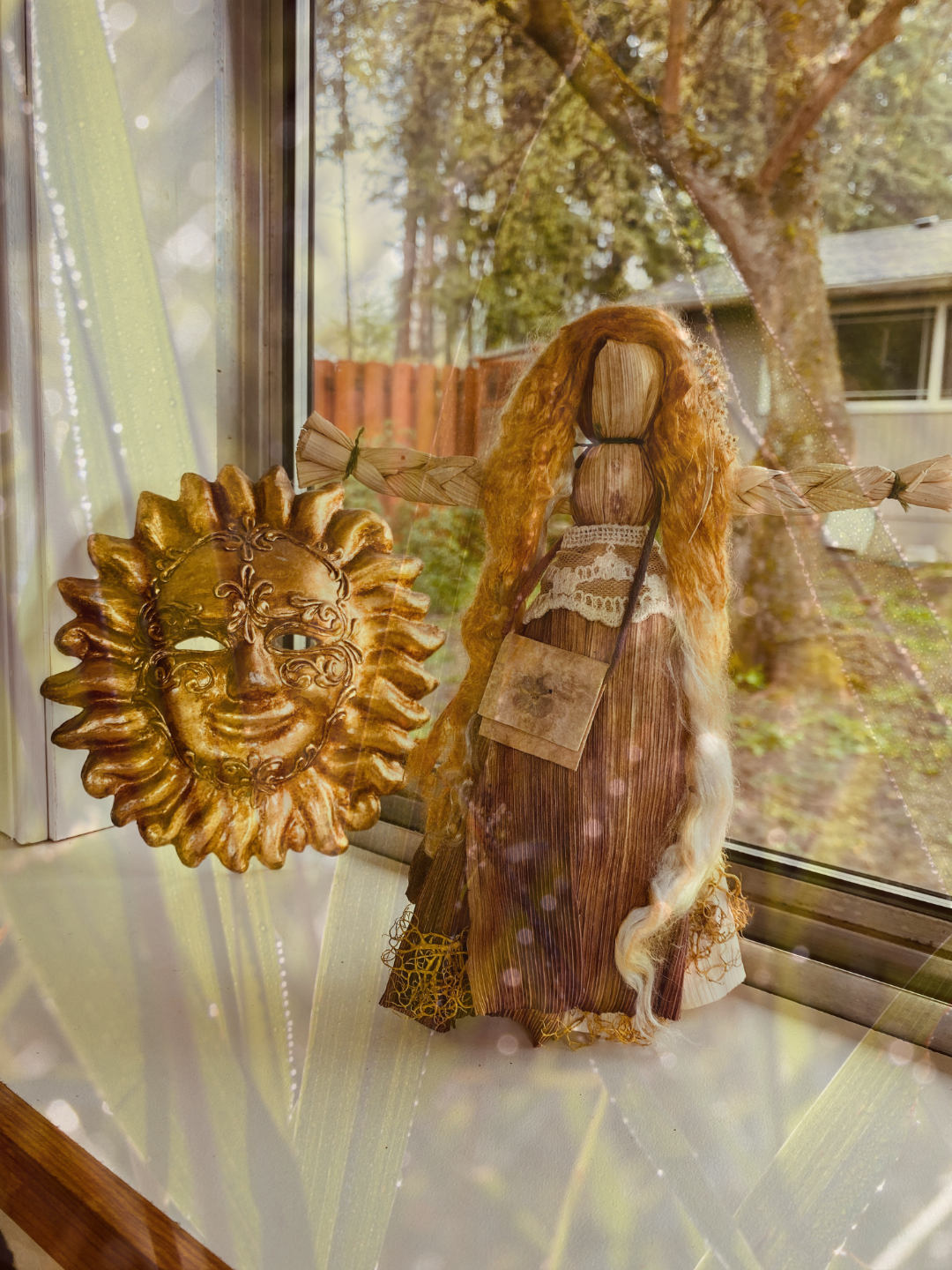
In this workshop series, girls make two dolls. A sacred doll — an embodiment of what they want to carry forward, what they are becoming, what feels true and luminous in them. And a creepy doll — an embodiment of the parts they've been taught to hide: the shadow self, the uncomfortable edges, the anger and the weird and the grief. Both dolls are honored. Neither is thrown away. The act of making space for both is itself a kind of liberation — a refusal of the sanitized, legible femininity the world keeps asking for.
SMASH Summer Camp — June 2026
SMASH is a summer camp built around four things that girls in this cultural moment need urgently and are rarely given structured space to develop: Anger, Agency, Intuition, and Introspection. Not polished, managed, pre-translated versions of these things — the real ones. Girls at SMASH will have permission to be loud, to be uncertain, to disagree, to make things, to break things symbolically, to learn that their inner landscape is not a liability. The goal isn't to make them easier for the world to handle. The goal is to make them harder to erase. Social connection and peer relationships are woven throughout, because research consistently shows that a stable and strong sense of identity in adolescence is associated with better mental health outcomes, and that meaningful peer relationships are among the most significant factors in supporting that formation. (PMC/NCBI, 2016)
The web, and what lives beyond it
I want to return to that doorway. The shadow. The sticky web.
As a child I understood, in my body, that the web was something I had not chosen and could not outrun alone. What I didn't understand yet was that there was a whole world on the other side of it that wanted nothing from me except my presence. The moles tunneling under the oak roots. The Jerusalem crickets moving through the dark. The fir trees holding still in whatever weather arrived. They were not indifferent to me. They were simply not conditional.
That is the alternative I keep trying to offer. Not a promise that the web isn't real — it is, and it is sticky, and it catches girls younger than it used to. But the reminder that what is ancient and rooted and alive does not require your performance to recognize you. Nature has been holding the wisdom of belonging for longer than any social system has existed. It is a sacred library, and it is still open.
The question isn't whether to repeat, but how to repeat or, indeed, to repeat and, throughout a radical proliferation of gender, displace the very gender norms that enable the repetition itself — that's Butler. But before we can displace anything, we need somewhere to stand.
Land is that place. Community is that place. The body, returned to itself, is that place.
Our soul can be trusted to navigate to wholeness. Integration is our natural state. We just have to keep building the conditions where girls can remember that — before the web catches them mid-stride, and before they learn that their scream isn't supposed to leave their throat.
If you have a young person in your life who might benefit from one of these programs, or if you want to support the work at Sunny Joy Farm, I'd love to connect. These spaces exist because of community. They grow the same way everything worth growing does — slowly, together, with a lot of tending.
References:
Butler, J. (1990). Gender trouble: Feminism and the subversion of identity. Routledge.
Bartky, S. L. (1988). Foucault, femininity, and the modernization of patriarchal power. In I. Diamond & L. Quinby (Eds.), Feminism and Foucault: Reflections on resistance (pp. 61–86). Northeastern University Press.
Erikson, E. H. (1968). Identity: Youth and crisis. Norton.
Pipher, M. (1994). Reviving Ophelia: Saving the selves of adolescent girls. Putnam.
Pipher, M., & Gilliam, S. (2019). Reviving Ophelia: Saving the selves of adolescent girls (25th anniversary ed.). Riverhead Books.
Sequeira, S. L., et al. (2025). Social threat and adolescent mental health. Nature Reviews Psychology. https://doi.org/[add DOI]
Scott, J. [@this.cypher]. (2024). [Video on performative femininity]. Instagram. https://www.instagram.com/this.cypher